SERVICE
UX Research and Design

I design how people understand and use a digital product. User research informs its structure, journeys and interactions, helping the experience fit the tasks people need to complete and the context in which they use it.
The work can start with a new concept or an existing product that needs a more considered experience.
I connect research findings with concrete design decisions, from navigation and content hierarchy to the behaviour of an individual form.
Depending on the brief, the outcome can include research findings, information architecture, task flows, wireframes, interface designs and interactive prototypes. I can work alongside your developers as those designs become a product, answering interaction questions and reviewing the experience as it takes shape.
HOW THE EXPERIENCE TAKES SHAPE
Understand people, their tasks and their context
Investigate what people need to do, how they do it today and what affects their experience. User research helps explain behaviour in context. Interviews, observation and existing feedback can reveal the steps people take, the language they use, the constraints they face and the workarounds they have developed.
We begin with questions that matter to the design, then choose an appropriate way to investigate them. A buyer may care about reporting and oversight, while the person using the product every day needs to complete a task quickly. Understanding those perspectives gives the experience a more informed foundation. I bring the findings into design decisions and identify where further evidence would be useful.
Give the product a clear structure
Organise information, navigation and tasks so people can find a useful path through the product. Information architecture determines how content and functionality relate to each other. It affects the labels people encounter, the choices available at each stage and whether the overall product makes sense.
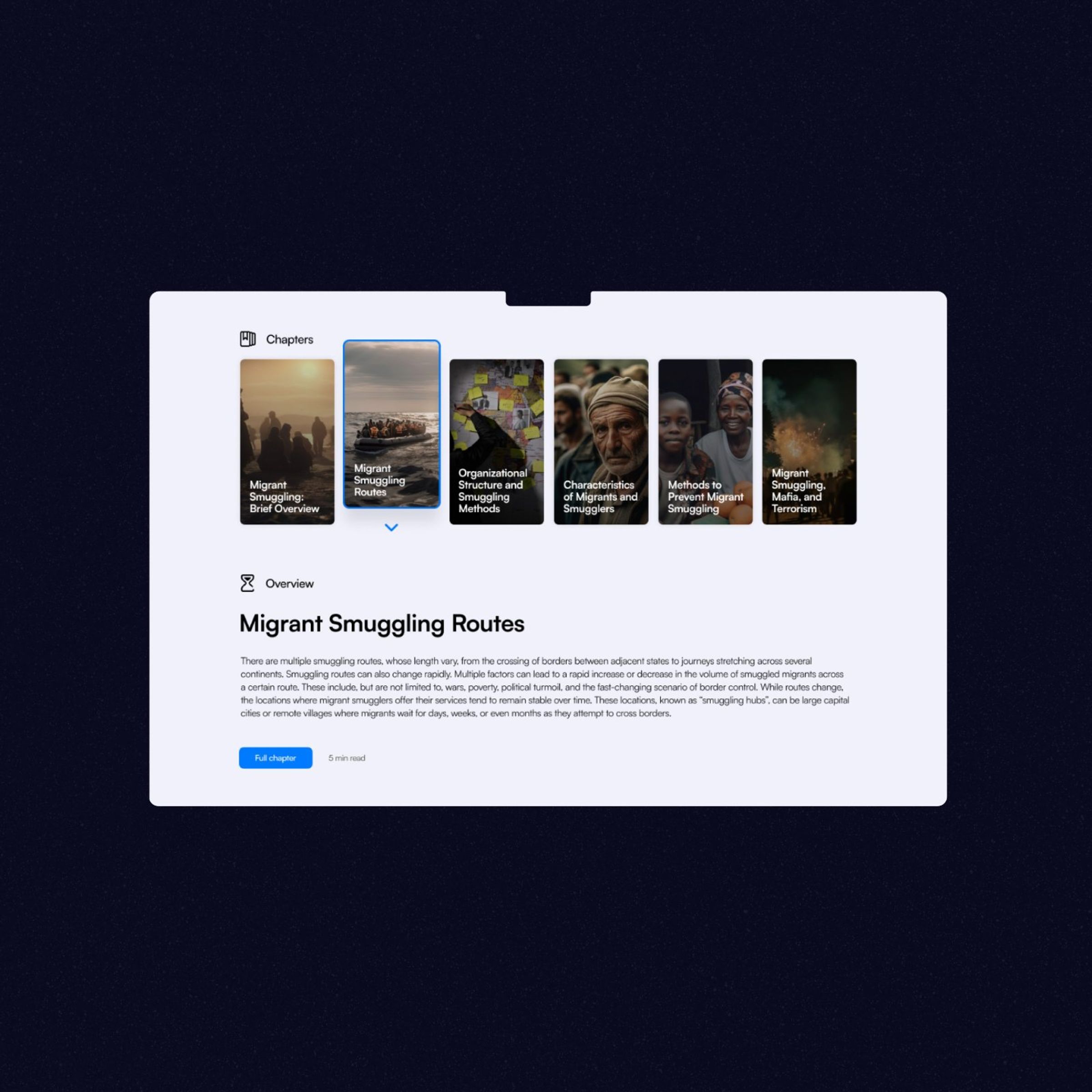
I can help develop the structure, define important task flows and explore how different roles should navigate the experience. Where useful, we can investigate terminology or test how people look for information. In Atlas, the design work addressed dense academic content and the difficulty of discovering a useful route into it. Similar questions arise in dashboards, platforms and products that have grown more complex over time.
Design the important interactions
Shape the details that help people complete a task and understand what the product is doing. I develop interactions through wireframes, interface designs and prototypes, considering the information people need at each step and the feedback they receive.
Forms, navigation and controls should work together as part of a coherent task.
The work also covers states that are easy to miss in an early concept: an empty account, a loading process, an unsuccessful action or information that needs correcting. We consider responsive behaviour, accessibility and interface language as the design develops. For an AI-supported task, that can include distinguishing a suggestion from a confirmed result and giving people an appropriate way to review it.
Turn design decisions into a usable product
Evaluate the proposed experience, refine the design and support the team implementing it. Designs become more useful when people can try them. We can evaluate selected journeys through prototypes and user testing, then prioritise the findings according to the decision at hand.
Some observations will call for a small interaction change; others may challenge the structure or proposition.
I prepare the designs and guidance needed for the agreed handoff and collaborate with developers on behaviour, states and practical constraints. Reviewing the implemented experience helps resolve differences between a design file and a working product. The outcome is a shared understanding of how the experience should function and why the important choices were made.





Where should we start?
See contact optionsYour message is on its way. I’ll reply to .
It didn’t go through. Copy your message and send it tohello@mareksevcik.com.