What working together looks like
Good design rarely starts with a perfect brief. I use Design Thinking Methodology as a flexible way of moving from uncertainty to something tangible.
You don’t need a perfect brief
Bring the idea as it is: a hunch, a problem, a half-finished deck. Shaping the brief together is the first part of the work, not a condition for starting it.
I’ll challenge the brief before polishing it
Before anything gets pretty, I ask why. Sometimes the brief holds up; sometimes the real problem is one level deeper, and it’s cheaper to find out now.
We make things tangible early
Within days there’s something to point at: a sketch, a flow, a clickable prototype. Real things make for faster, more honest conversations than descriptions.
You stay close to the important decisions
No disappearing for weeks and returning with a reveal. Short, regular check-ins keep you in the room where the decisions that matter get made.
We test assumptions, not just interfaces
Usability matters, but the bigger risk is building the wrong thing. We put the riskiest beliefs in front of real people first.
We leave with something that can move forward
Every engagement ends with something usable: a tested prototype, a decision, a plan your team can build, fund or hand over.
THINGS THAT SHAPE HOW I WORK
I’m naturally drawn to the slightly messy stage, when there are still several possible directions and we’re figuring out what makes sense.
There might be an idea people are excited about, but plenty of open questions about what it should become. I enjoy that part.
That’s where much of my work has happened, from early innovation projects at KONE to helping Zipli, Atlas and Liquid Bread become something people could actually use, test or pay for.
A lot of my thinking happens outside the immediate project too.
At Aalto University, I was researching how agentic AI could change frontline work. I also write when something from practice feels worth spending more time with.
It keeps me curious, a little sceptical of easy answers, and interested in what new technology changes beyond the interface. Especially once the initial excitement settles and someone has to use it in their everyday work.
Some of the work that’s stayed with me most has happened outside product teams.
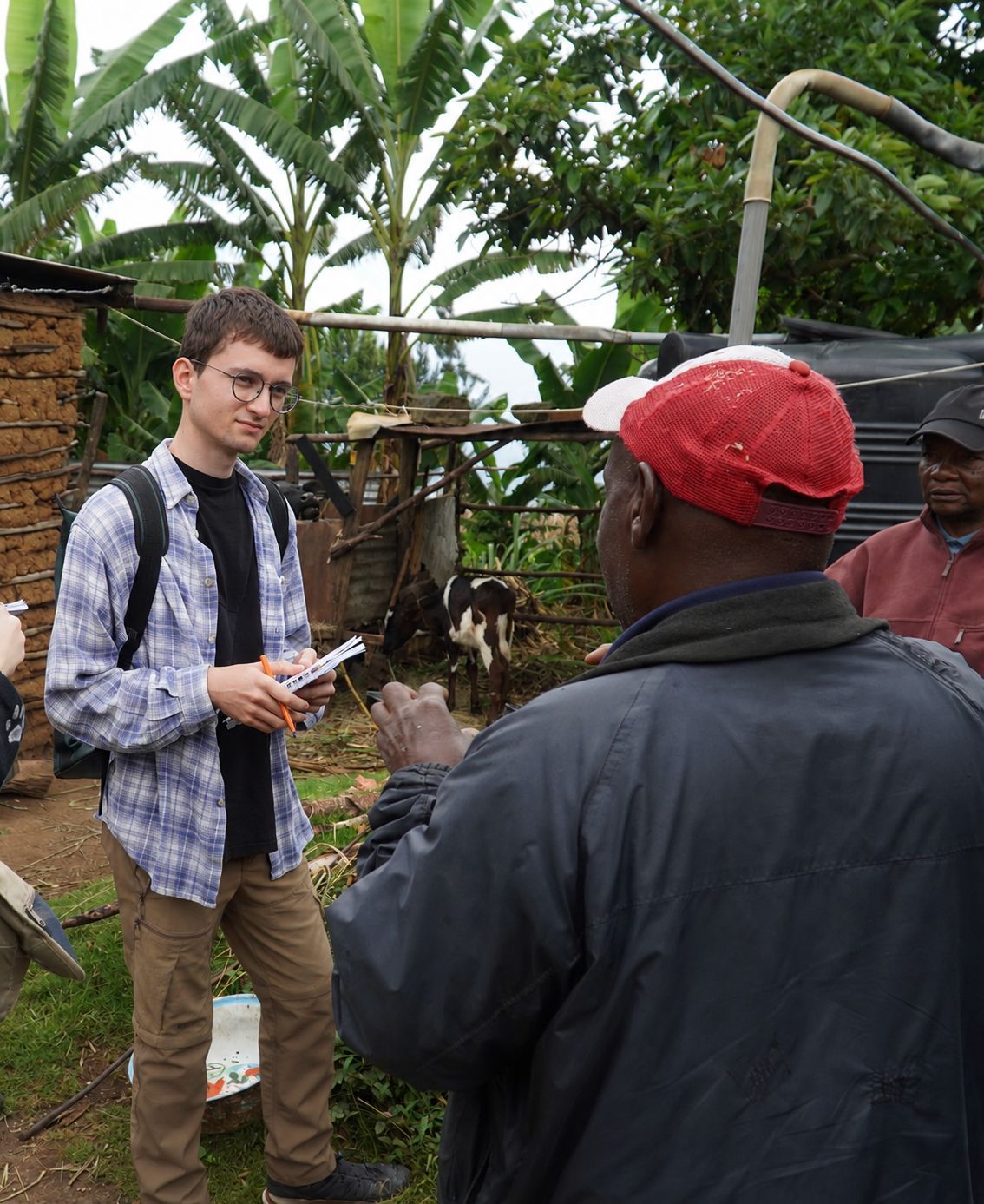
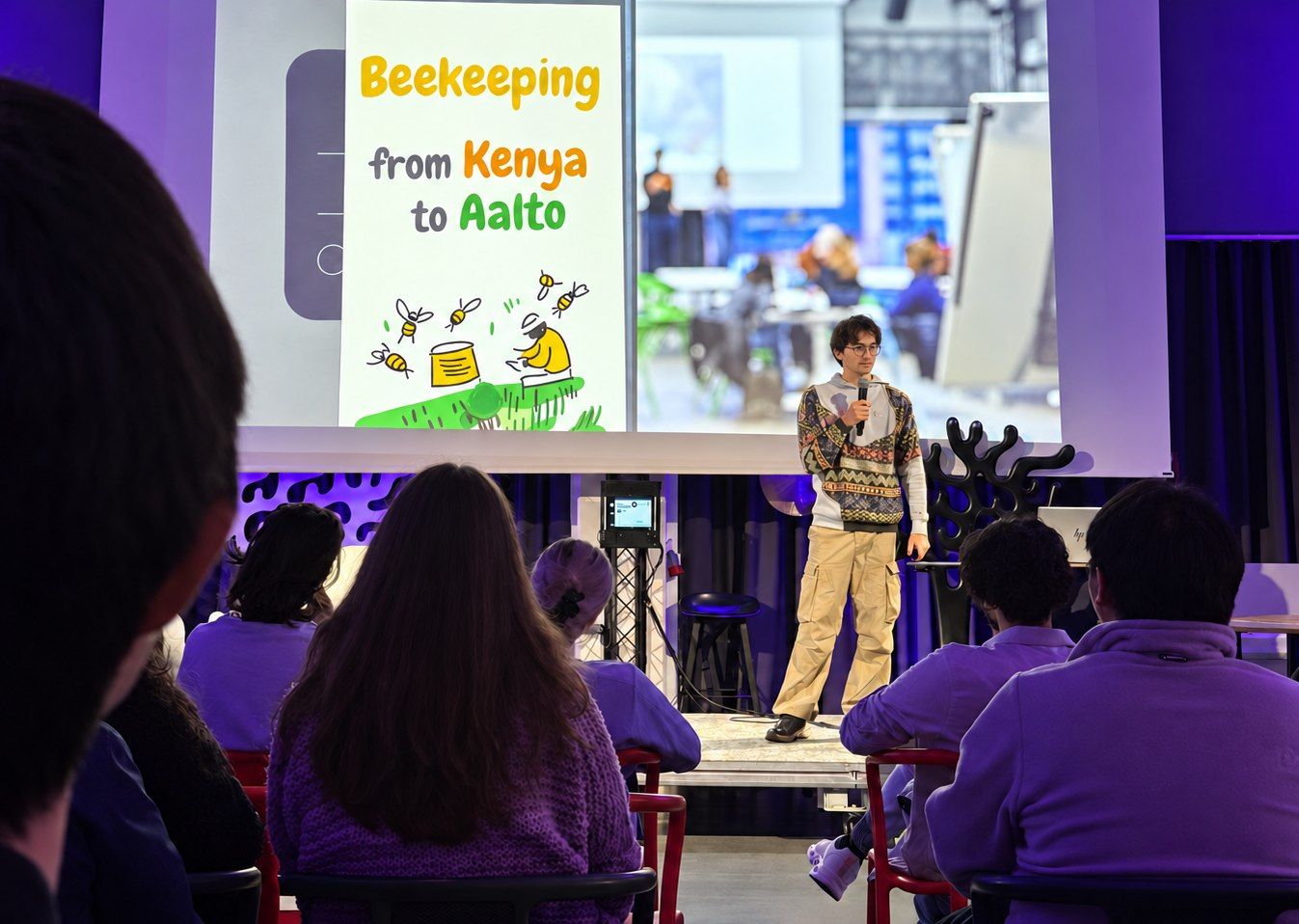
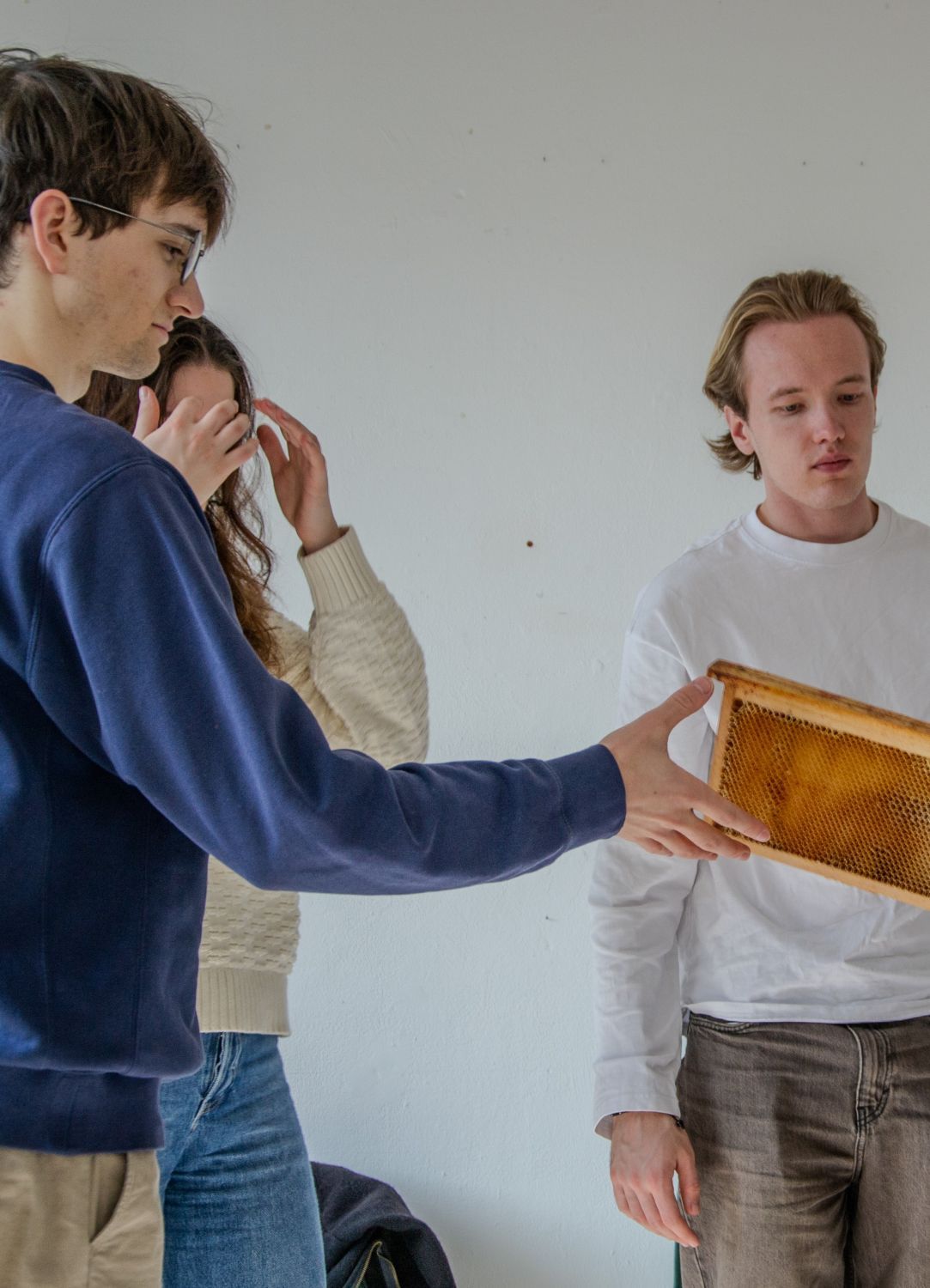
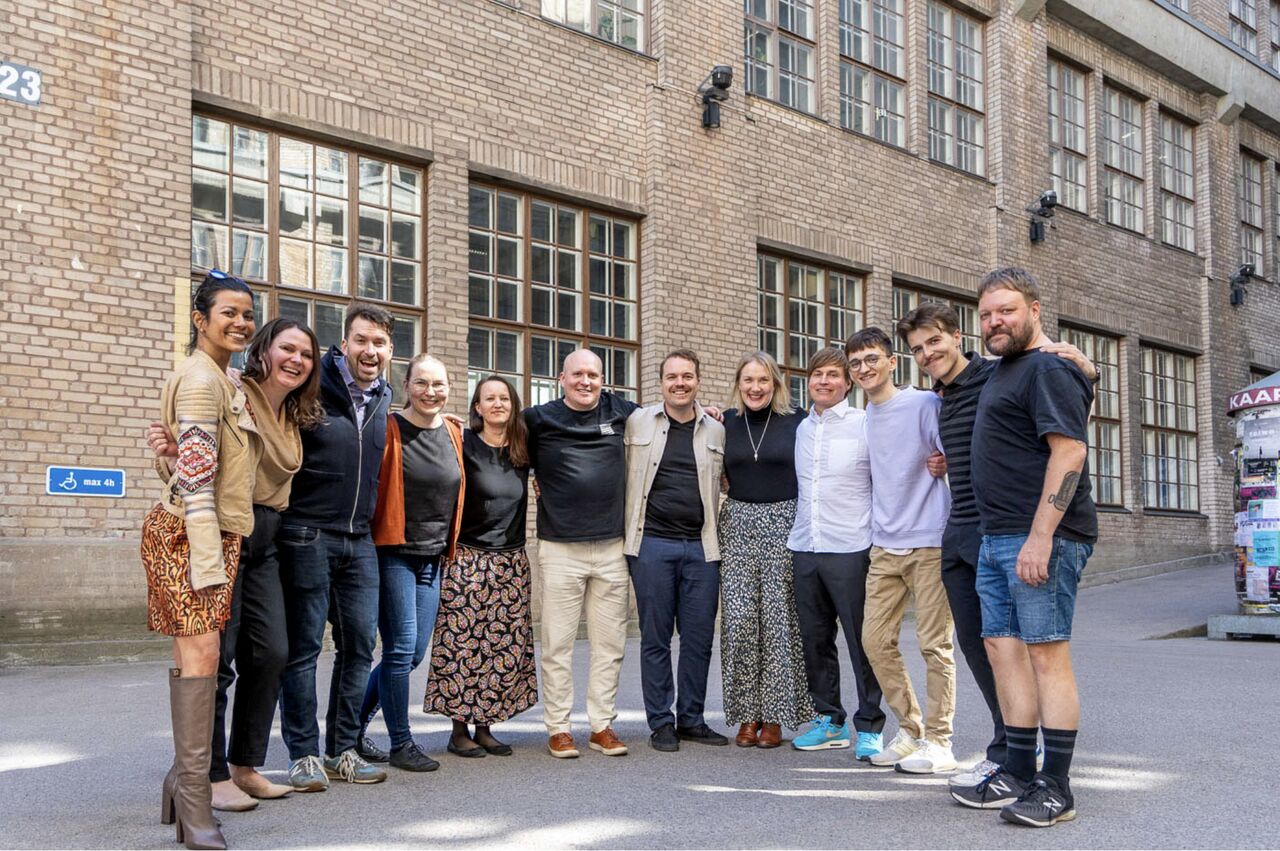
Working with communities and partners in Kenya, and contributing to organisations like SIMI and Konsorcium, has made me more aware of how much depends on context. Who knows the problem best, what assumptions we bring with us, whether the solution we’re excited about actually makes sense there.
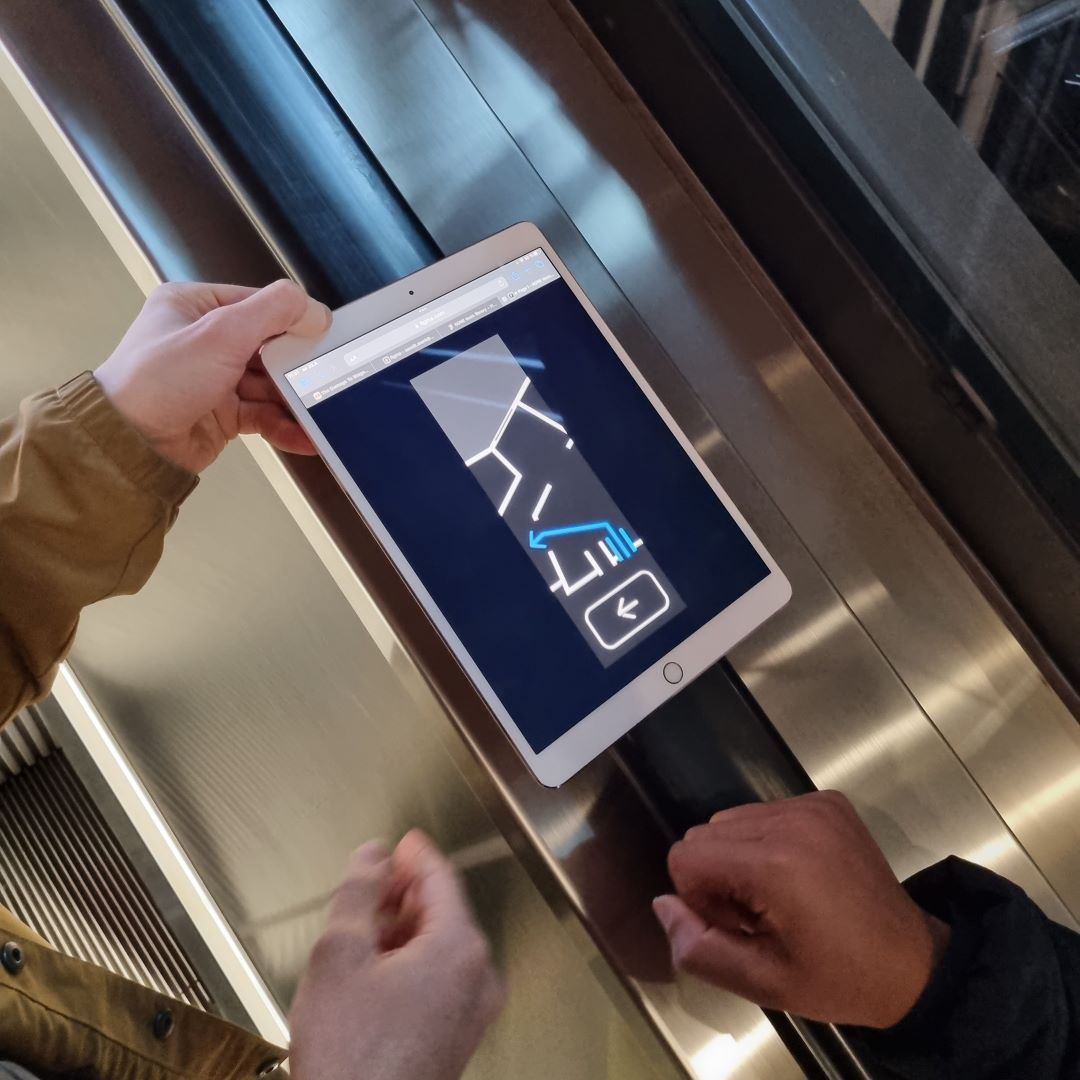
It’s easy to miss something when you’re looking in from the outside. I think those experiences find their way into how I work, even on quite different projects.
QUESTIONS I GET
Can you lead the design work, or contribute to one part of the project?
Both are welcome. I can lead the design work across research, product or service direction, UX and visual design, and prototyping. I can also take on a focused part of the project alongside your existing team or suppliers. We’ll agree the scope, responsibilities and decisions together so the collaboration fits what you need.
How much does a project cost, and what determines the price?
The cost depends on the scope and how we work together. For a defined brief, a project package with agreed goals, deliverables and limits often offers the best value, with me managing the design work. If you prefer to direct the work and set priorities as we go, we can agree an hourly rate. I’m happy to help you choose an approach that suits your budget.
Can we start with a focused piece of work before committing further?
Yes. We can start with a focused piece of work, such as an audit, research question or prototype. It gives you something useful to act on and a chance to experience the collaboration before deciding whether to continue.
What will we receive, and what will still need development?
We agree the deliverables around your goals. These might include research findings, a product or service concept, UX and visual designs, a prototype, or a working MVP or pilot. My build work extends to MVPs and pilots; development beyond that requires a developer or engineering team. We’ll make that distinction clear when defining the scope.
What languages do you work in?
I work fluently in English and Czech. We can use either language for meetings, workshops and day-to-day collaboration.
Can you work with our existing developers or other suppliers?
Yes. I regularly collaborate with developers and other freelancers, including as part of a client’s product team. We can agree how I fit into your existing workflow and coordinate the design work with the people responsible for implementation.
Can we try a small piece of work before deciding whether to continue?
That may be possible, depending on my availability and whether the brief is a good fit for my work and values. You’re welcome to share what you have in mind. We can then agree a useful scope and the terms before starting.
Do you take part in tenders?
Yes, I’m open to relevant tenders. Please share the brief, requirements and submission deadline so I can assess the fit and my availability.
Where are you based?
I’m based between Prague, Czechia, and Helsinki, Finland, and work with clients internationally. I’m also happy to discuss travel for workshops or other parts of a project where meeting in person would be useful.
Are you open to longer collaborations?
Yes. I particularly value longer collaborations, where I can develop a deeper understanding of your business, customers and team. We can begin with a focused project and explore how the relationship could develop from there.
Do you work remotely?
Yes. I’m happy to work remotely with your team. We can agree a rhythm for meetings, feedback and shared work that suits the project and our time zones.
How soon could you start, and how long might the work take?
I can typically start within a week, depending on my availability and the scope. Engagements range from a fixed one-week audit to an ongoing partnership. Once we’ve discussed what you need, I can suggest a realistic timeline.
What do you need from us, and how much of our team’s time will it require?
You can come with an idea, a problem or an open question; a finished brief isn’t necessary. Part of my work is to shape the direction with you, informed by your users and market. We’ll agree the input and access needed from your team, with room for iteration as we learn.
What happens if the scope or priorities change during the project?
A change in direction can be a useful sign that we’ve learned something important. We’ll look at what it means for the goals, scope, timing and budget, then agree how to move forward. You’ll be involved in that decision before we commit to additional work.
Who owns the work, and will we receive editable source files?
We’ll agree the usage rights, any transfer of ownership and the editable source files included in your handover before the project starts. These details will be recorded in our agreement so you know how your team can use and develop the work. Third-party materials, such as fonts or stock images, remain subject to their own licences.
Can you work under an NDA, and how do you handle confidential information when using AI tools?
Yes, we can agree an NDA before sharing sensitive information. We’ll also agree how project information may be handled and which tools are permitted. If your project requires no use of AI tools, I can work within that requirement. Any proposed use of confidential material with an AI service would need to be agreed with you first.
Can you contract and invoice companies internationally?
Yes, I can work with and invoice companies in most countries. Please share where your company is registered and any supplier requirements, and we can confirm the contracting and invoicing arrangements before starting.
Can you support implementation or make adjustments after handover?
Yes, we can include implementation support or follow-up design work in the scope, or discuss it as a continuation of the project. I can work with your developers to clarify the designs and make adjustments as the product takes shape. Timing depends on my availability.
Where should we start?
See contact optionsYour message is on its way. I’ll reply to .
It didn’t go through. Copy your message and send it tosevcik.mark@gmail.com.