Improving escalator experience through accessible wayfinding
MY ROLE
Led the project from research to interaction design. The work focused on one overlooked accessibility gap: the few seconds between leaving an escalator and knowing where to go next.
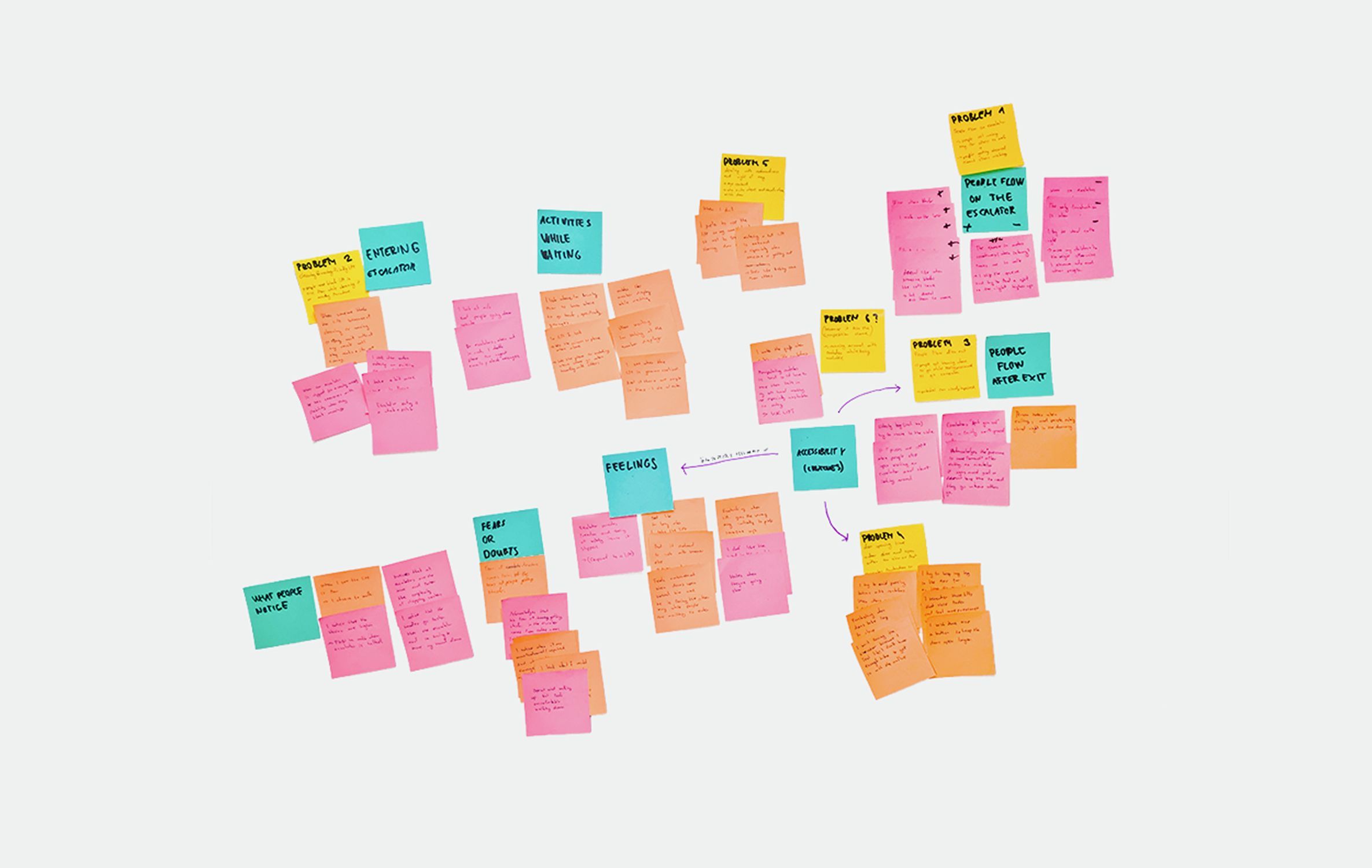
RESEARCH SESSIONS
Interviews
Spoke with people with visual, cognitive and mobility impairments about what makes escalator ride difficult.
Observation
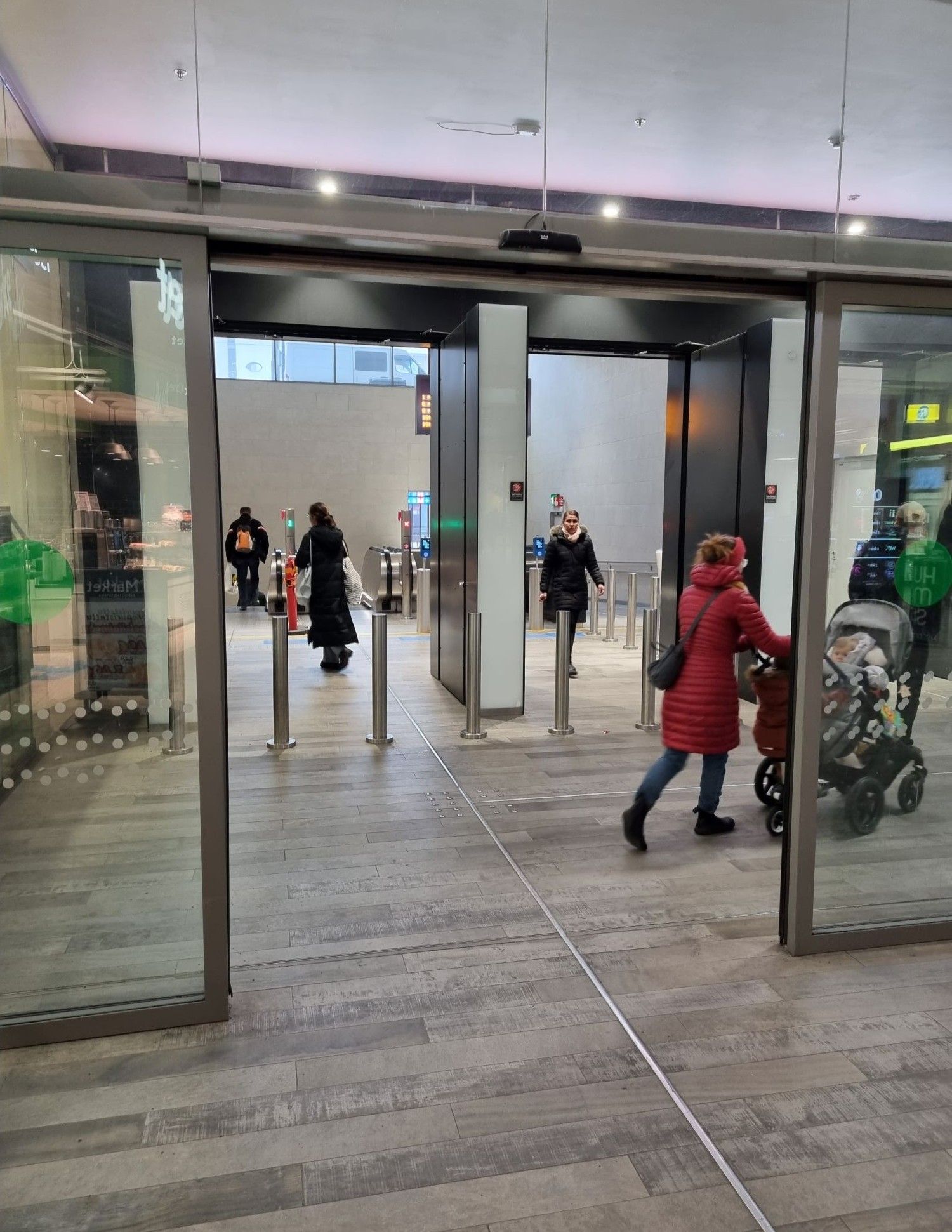
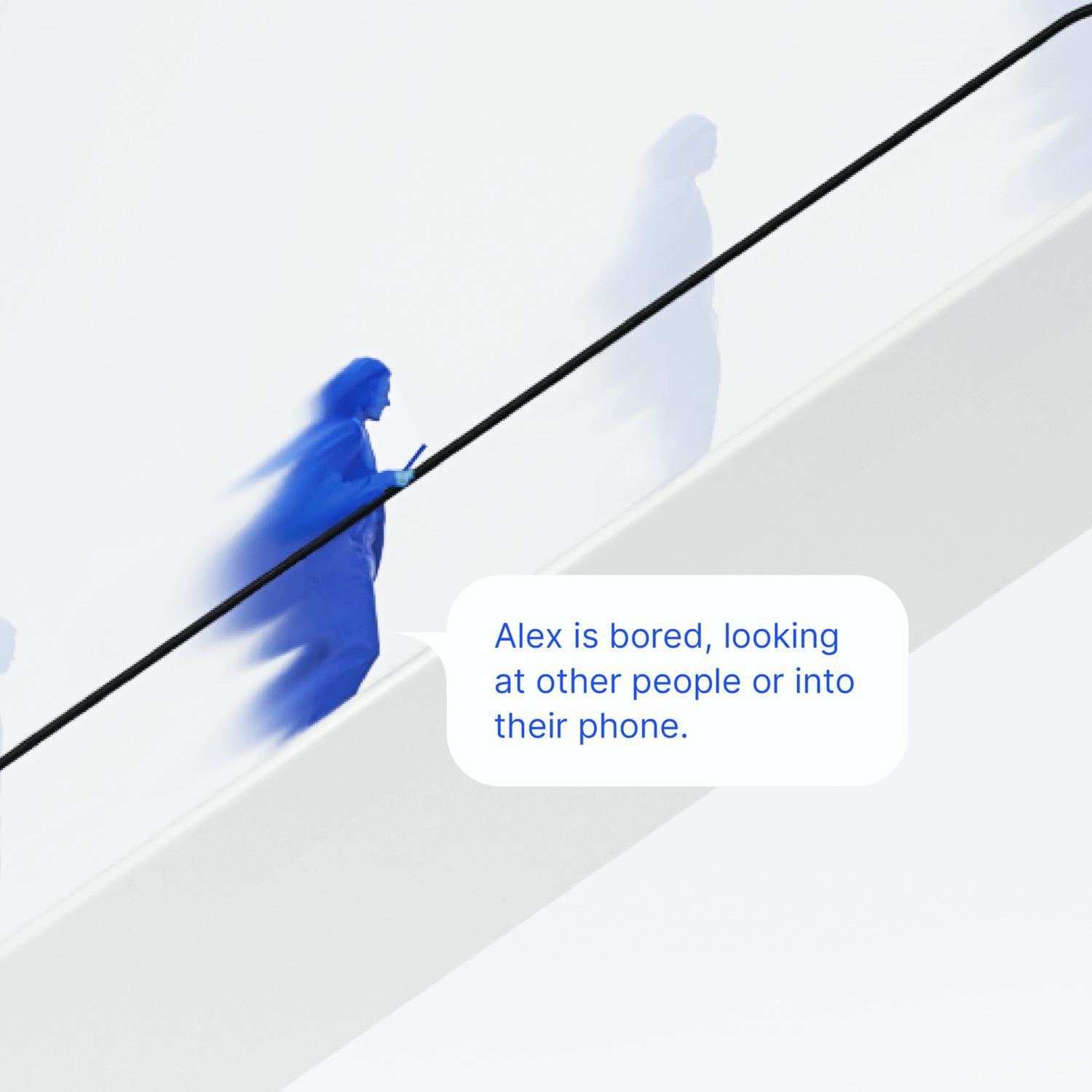
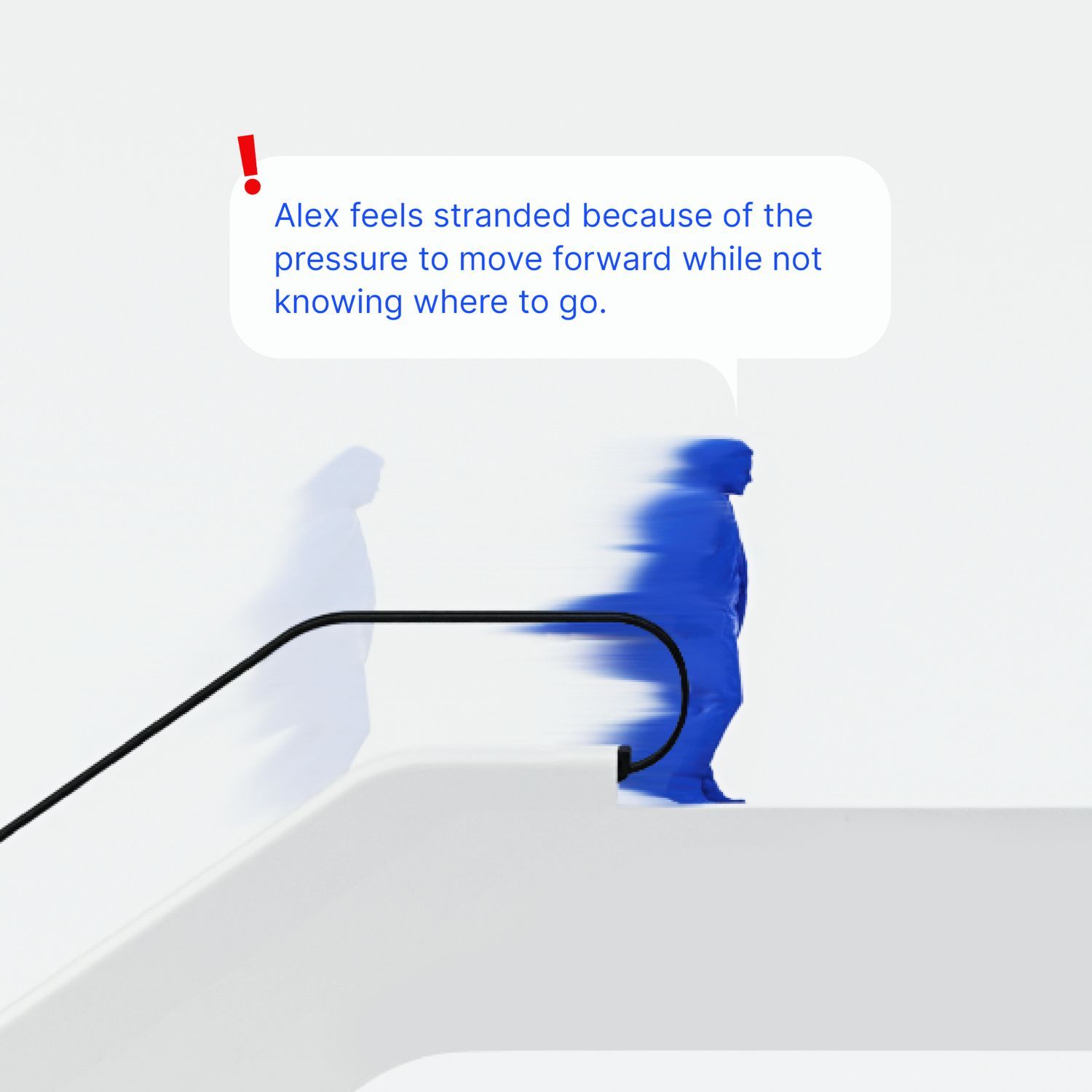
The exit was where I noticed a severe chokepoint. People need to move, orient themselves and avoid others at the same time.
Exiting an escalator is a micro‑moment of vulnerability, where small confusion sets off a chain reaction.
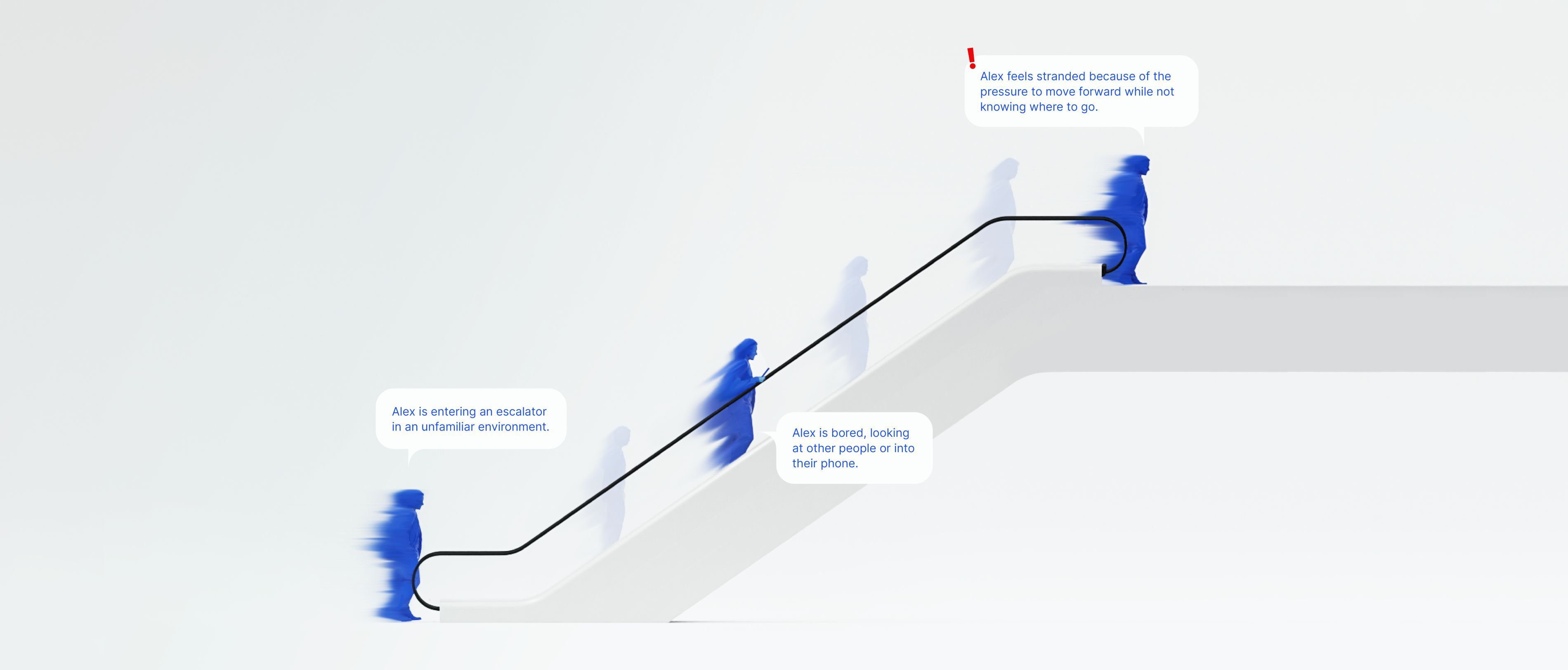
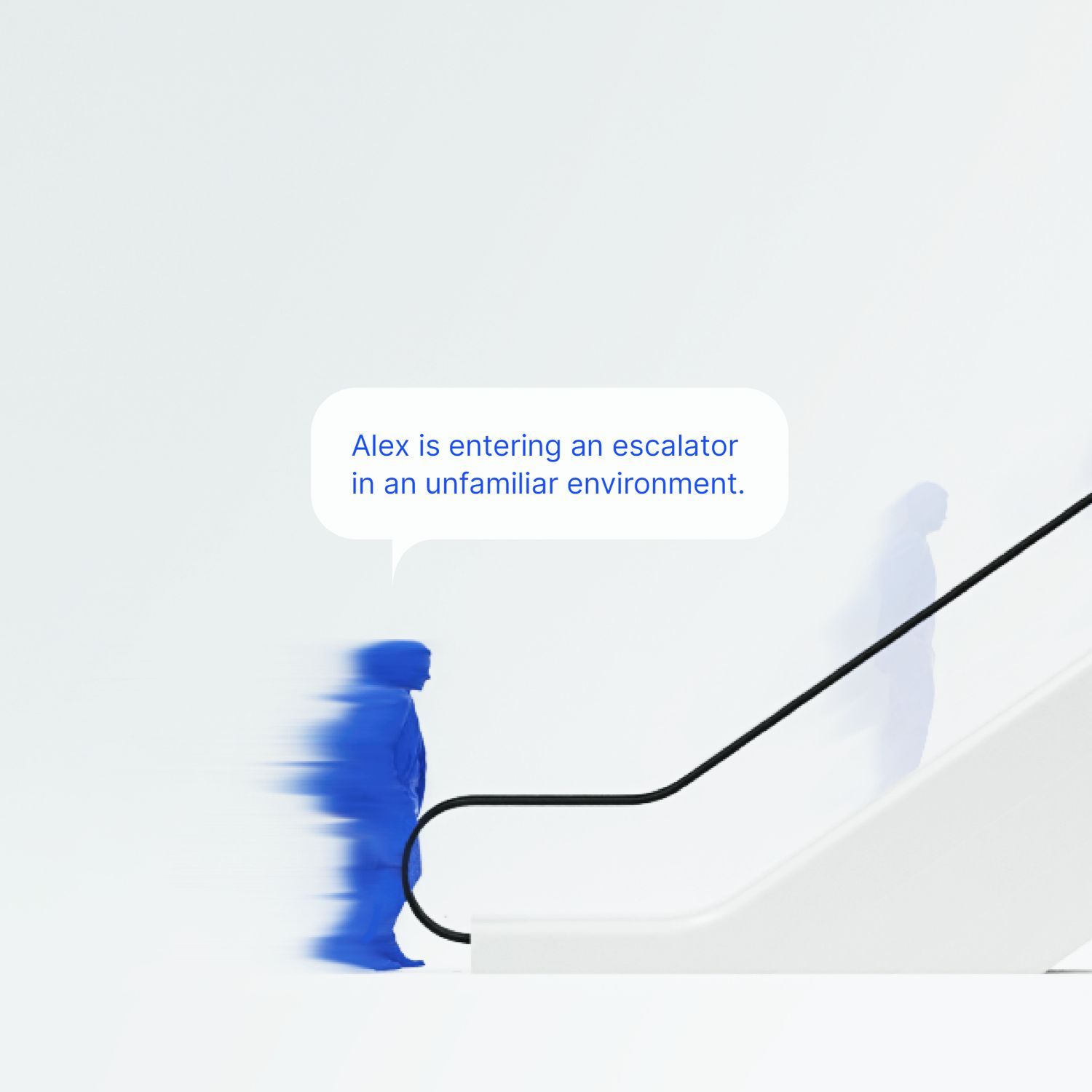
Interaction tested
Designed and tested various ways of delivering guidance cues during the escalator ride - when people have time to make decisions.
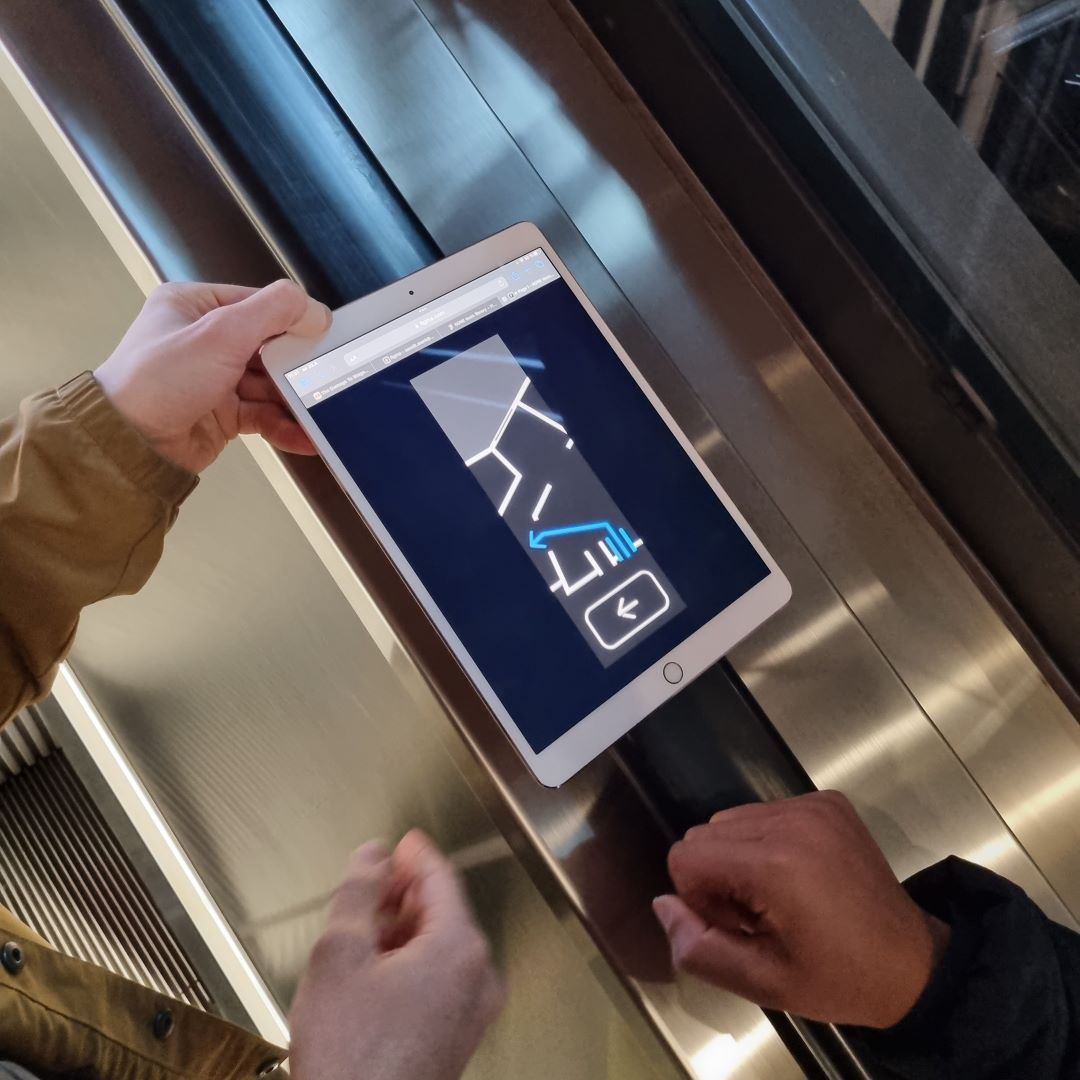
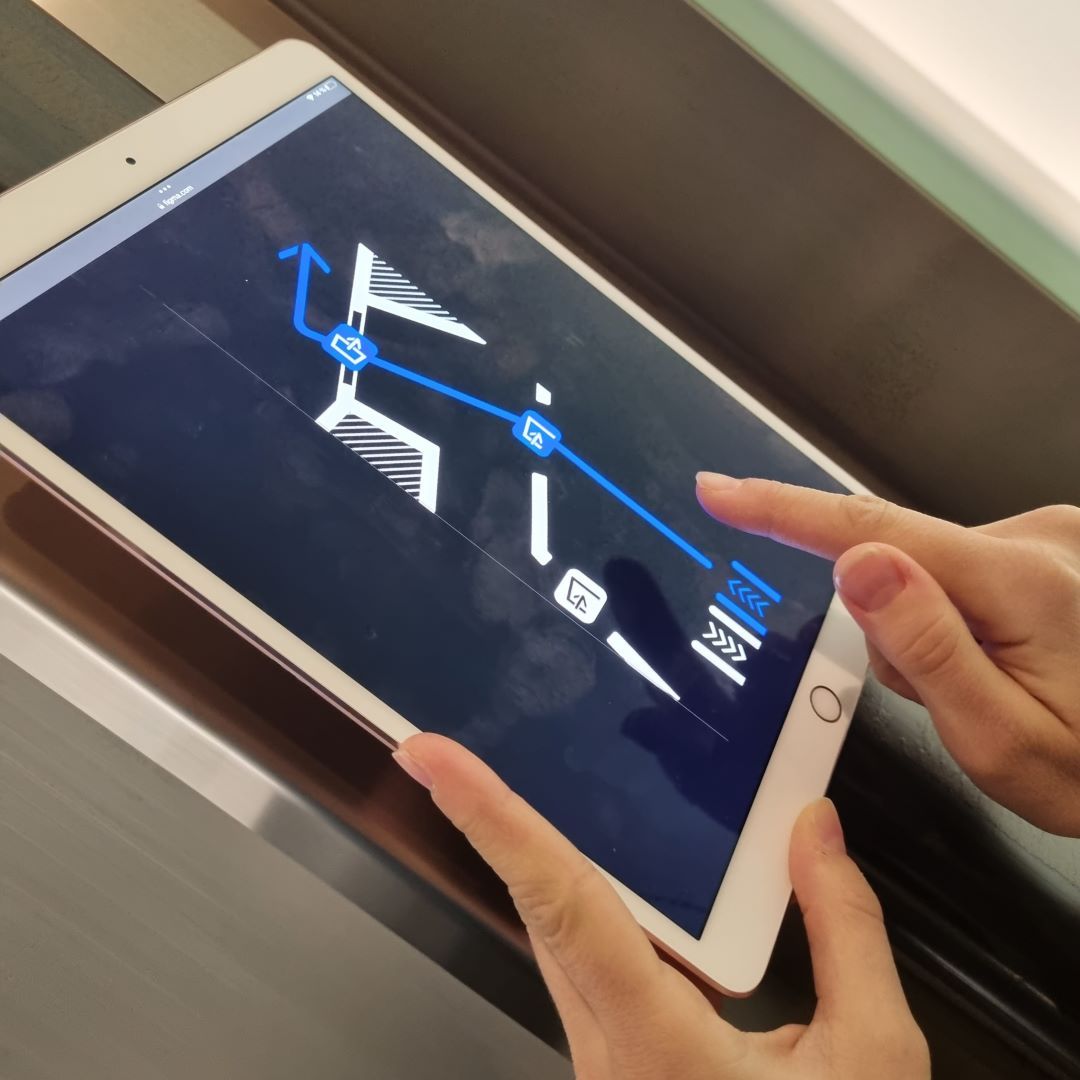
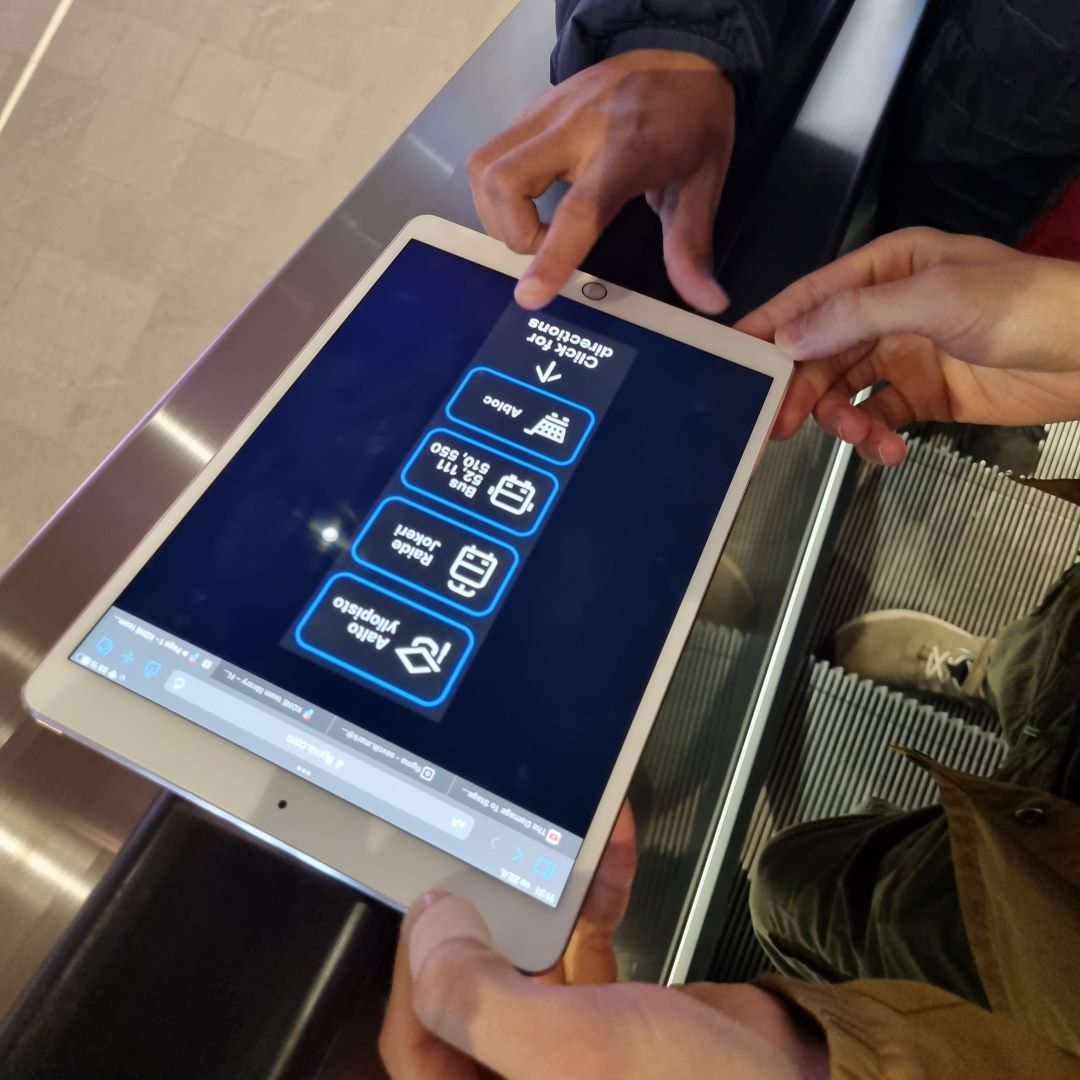
Laser-projected augumented reality to guide the users to their destination.
SOLUTION
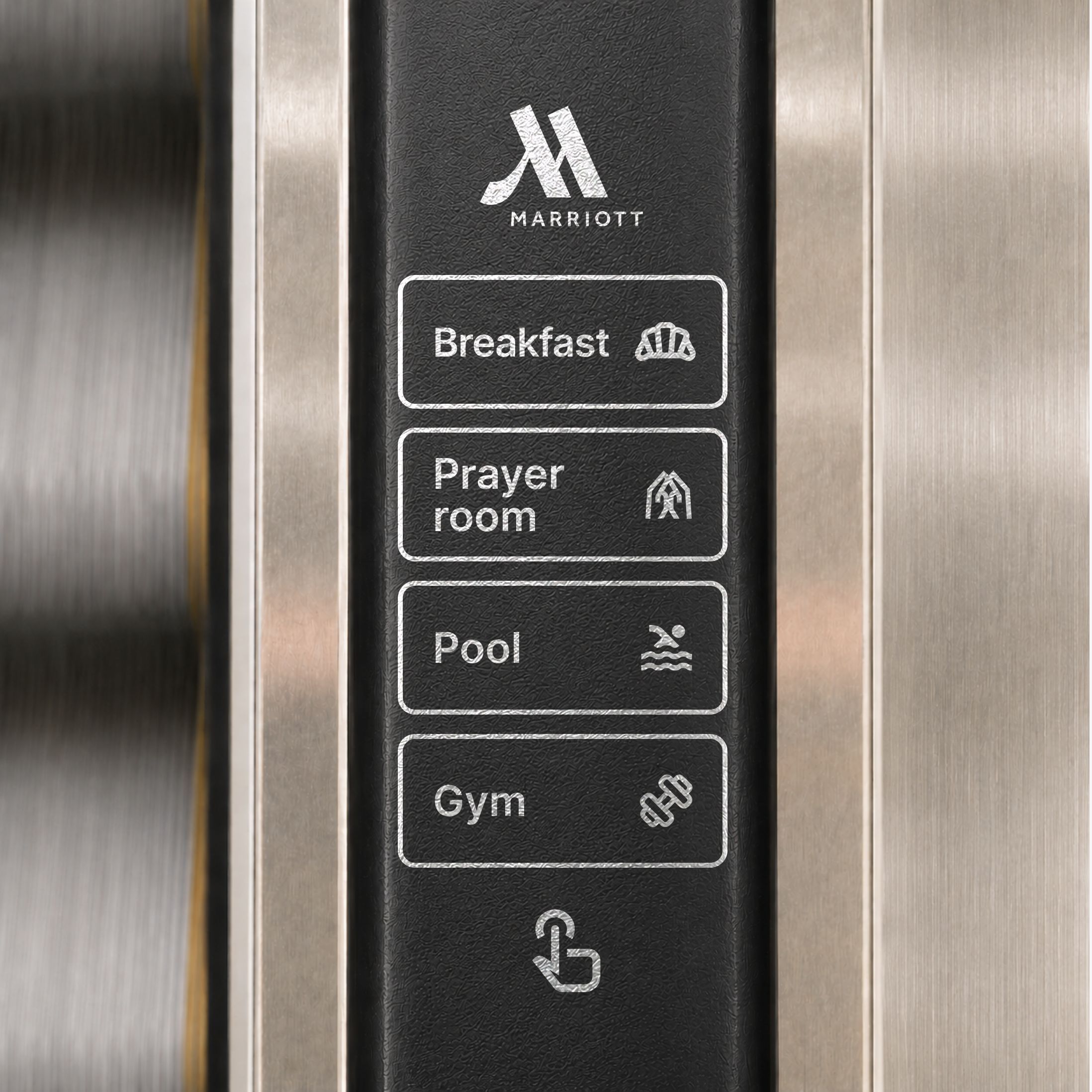
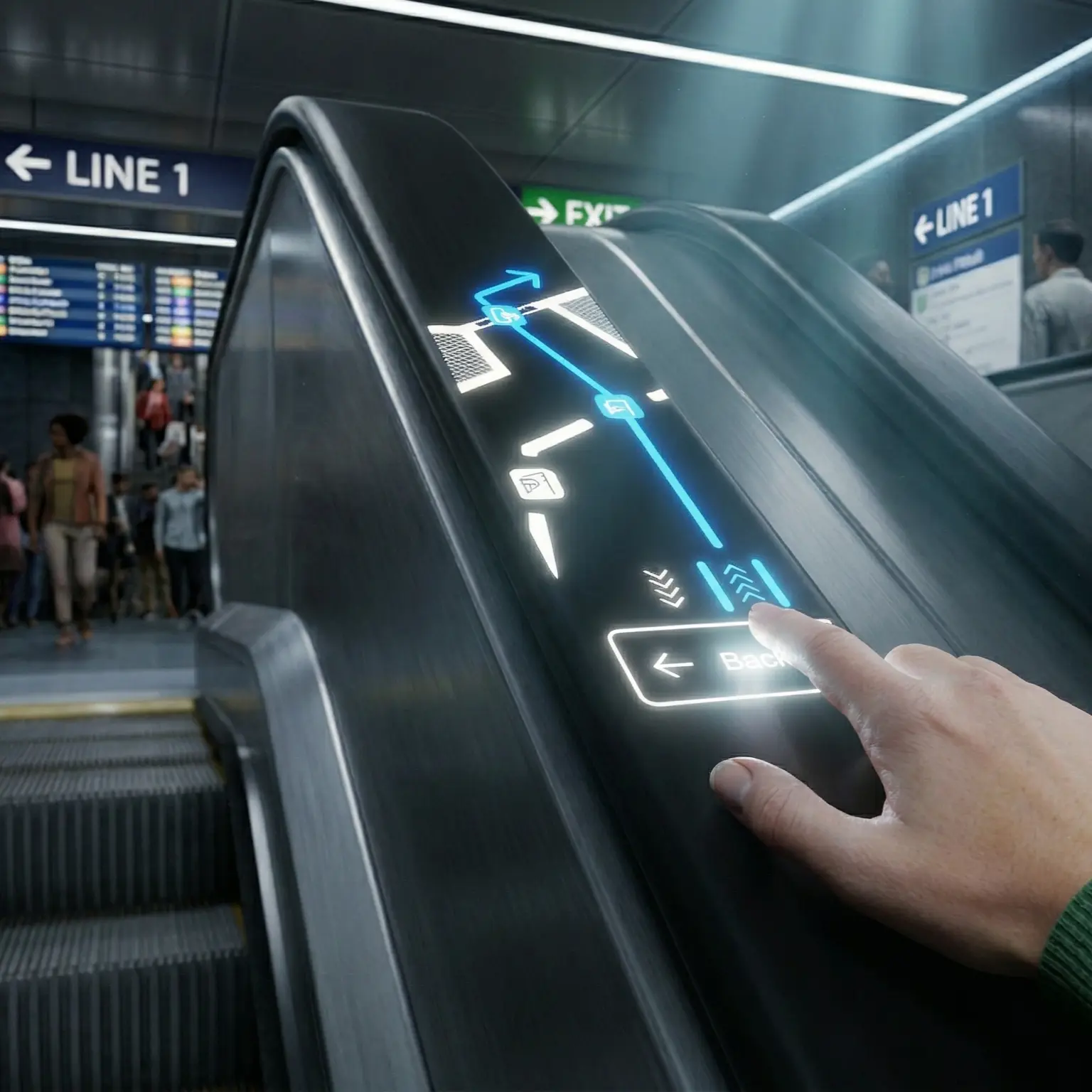
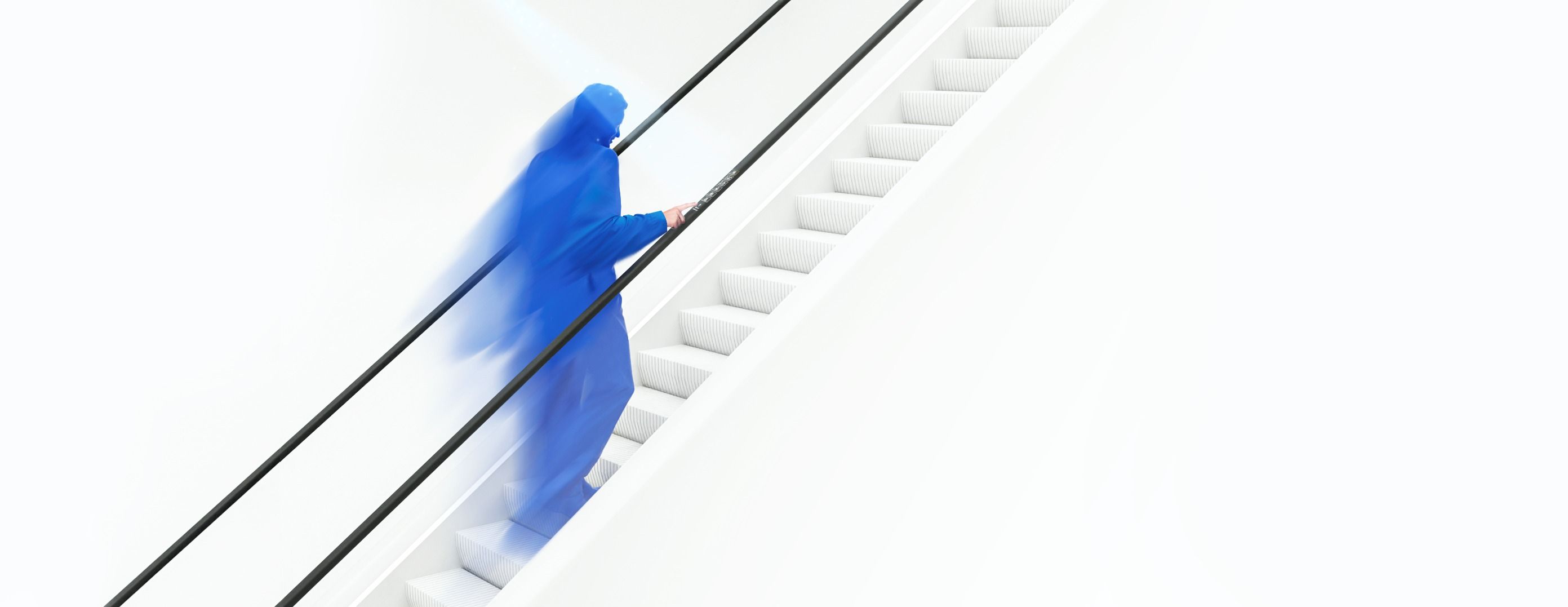
Escalight is a projected handrail interface that gives people a simple directional cue while they are still on the escalator.
Escalight uses laser projection on the handrail, moving at the speed of the escalator so it stays with the user.
The interaction is reduced to a short, readable flow so it can work in crowded, time‑sensitive environments.
One interface. Many public spaces.
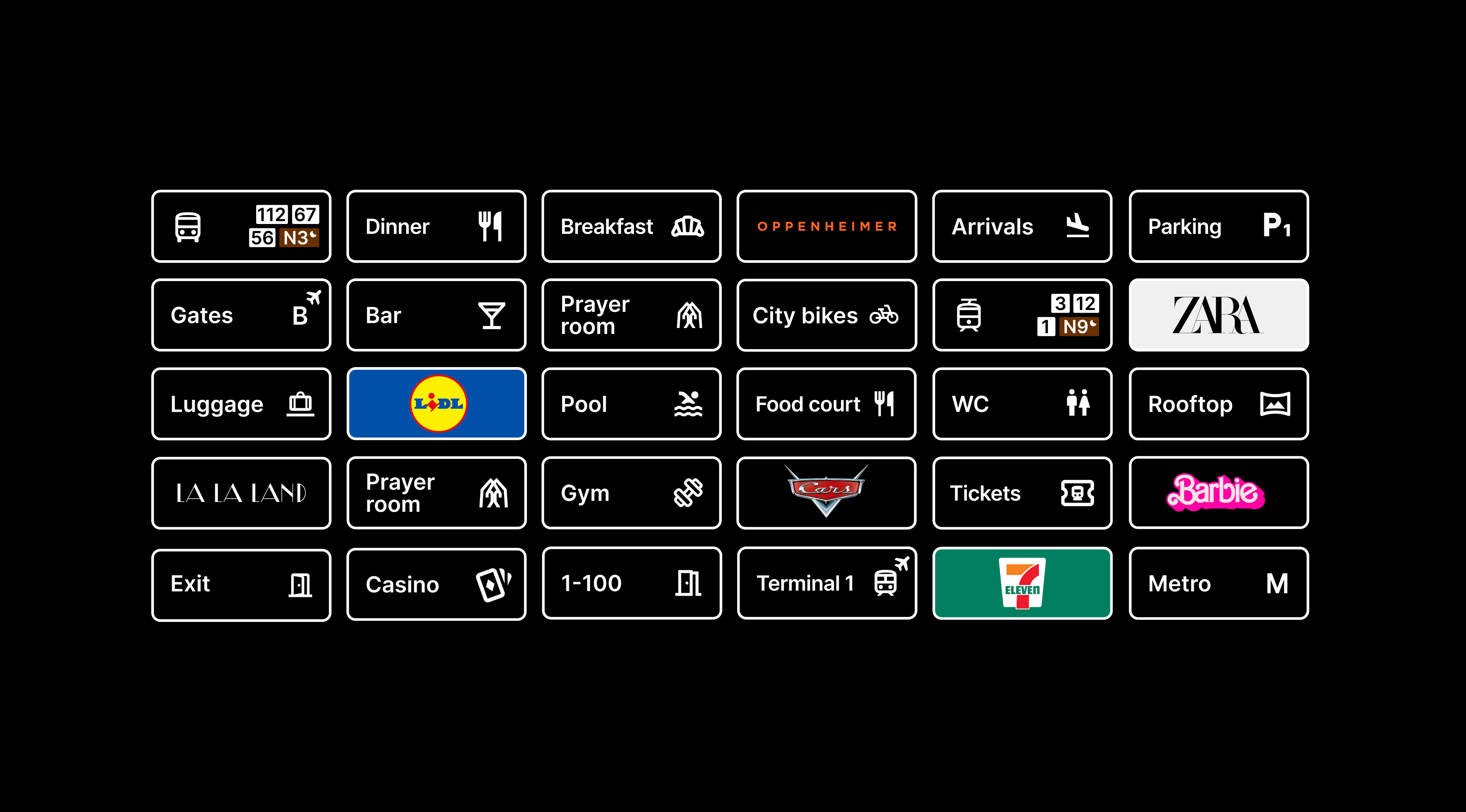
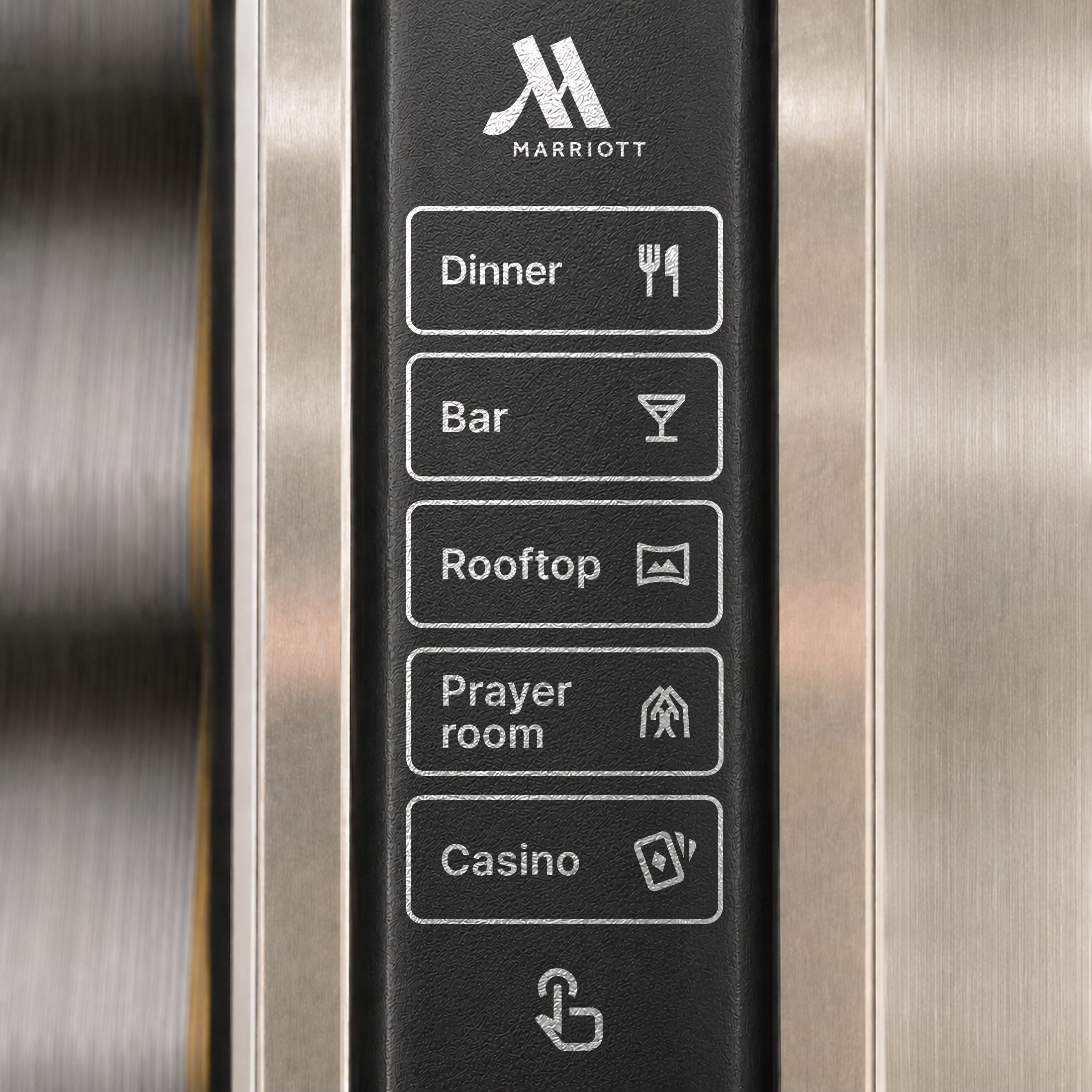
Adapts to different service systems.
It integrates with service ecosystems, improving the flow of people in malls, airports and metro stations.
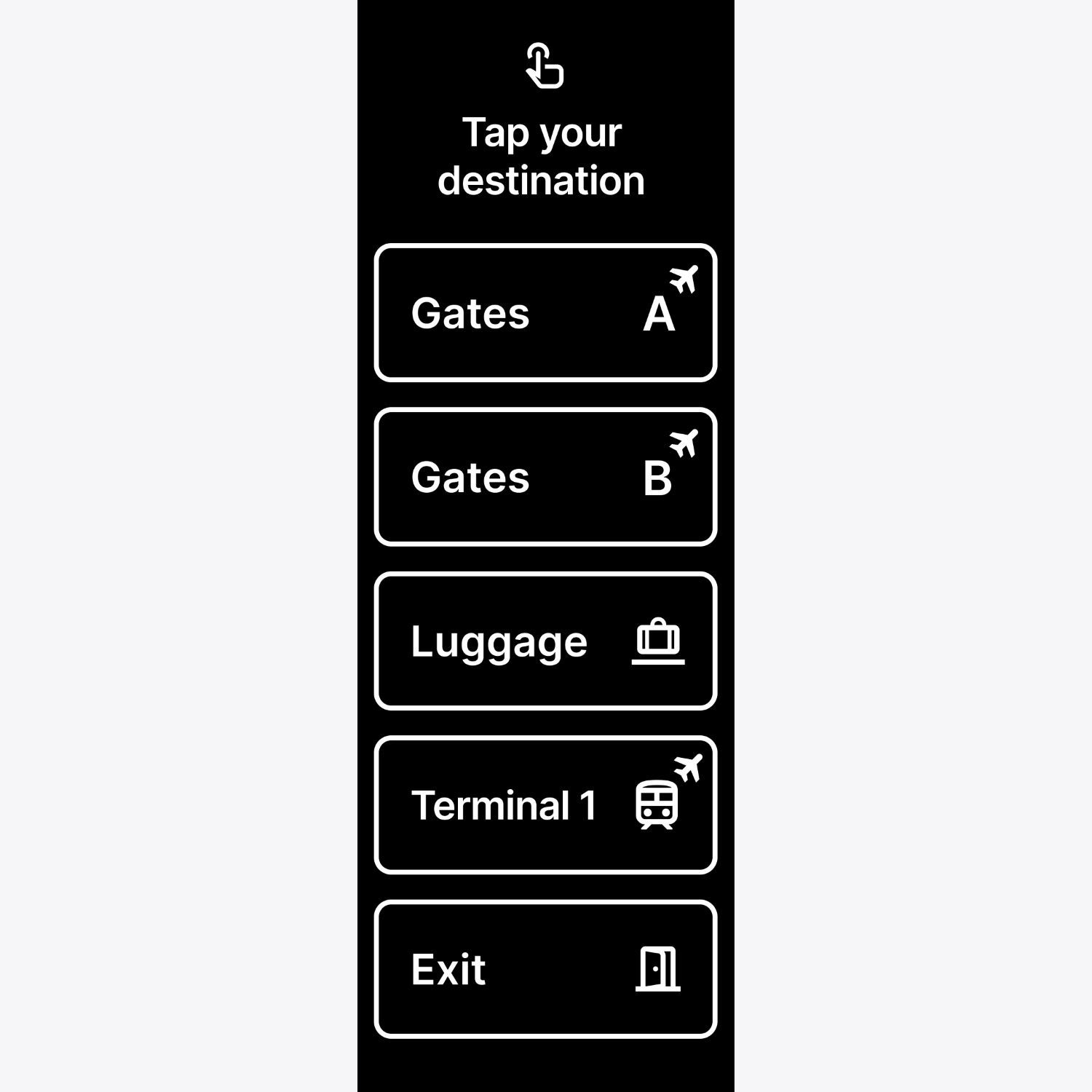
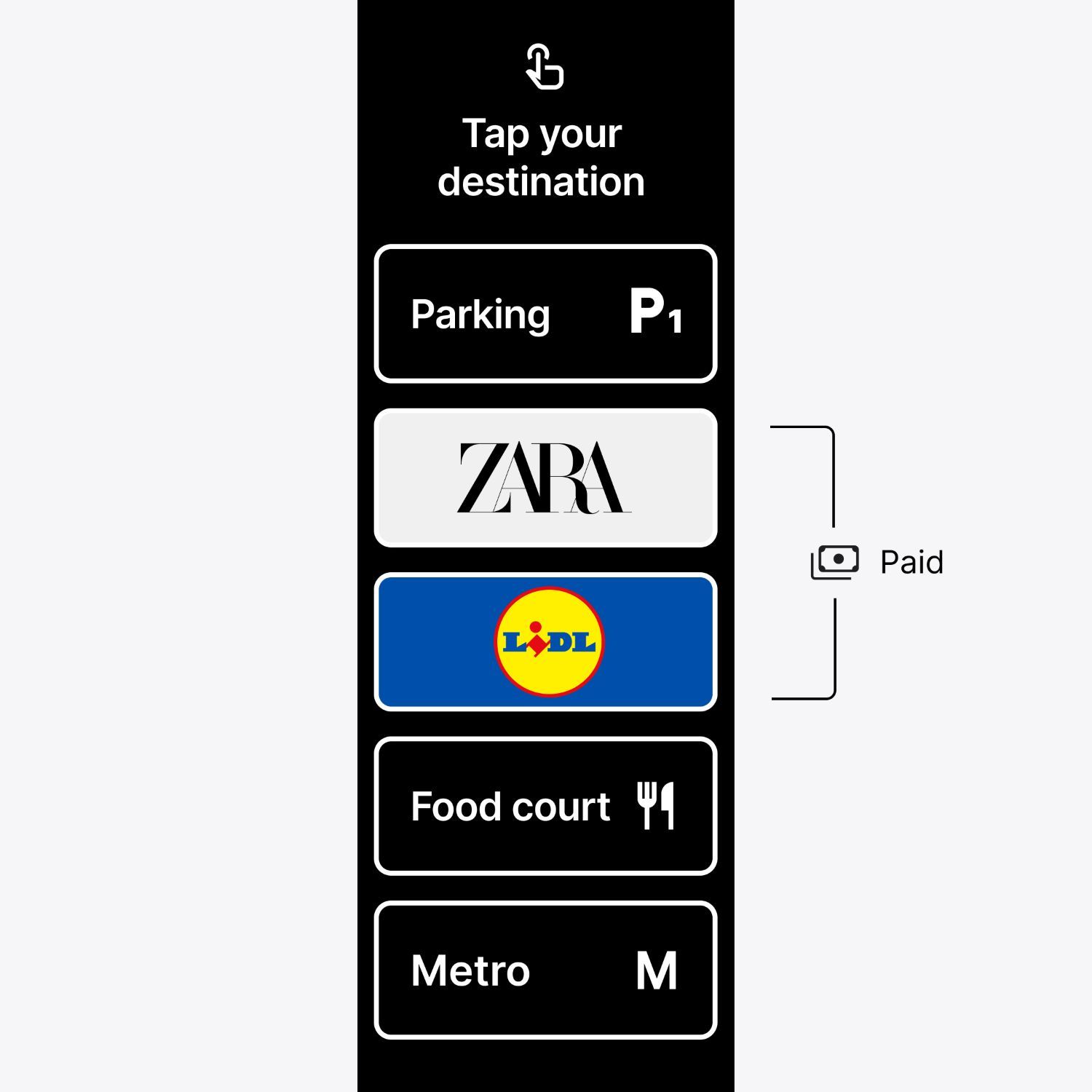
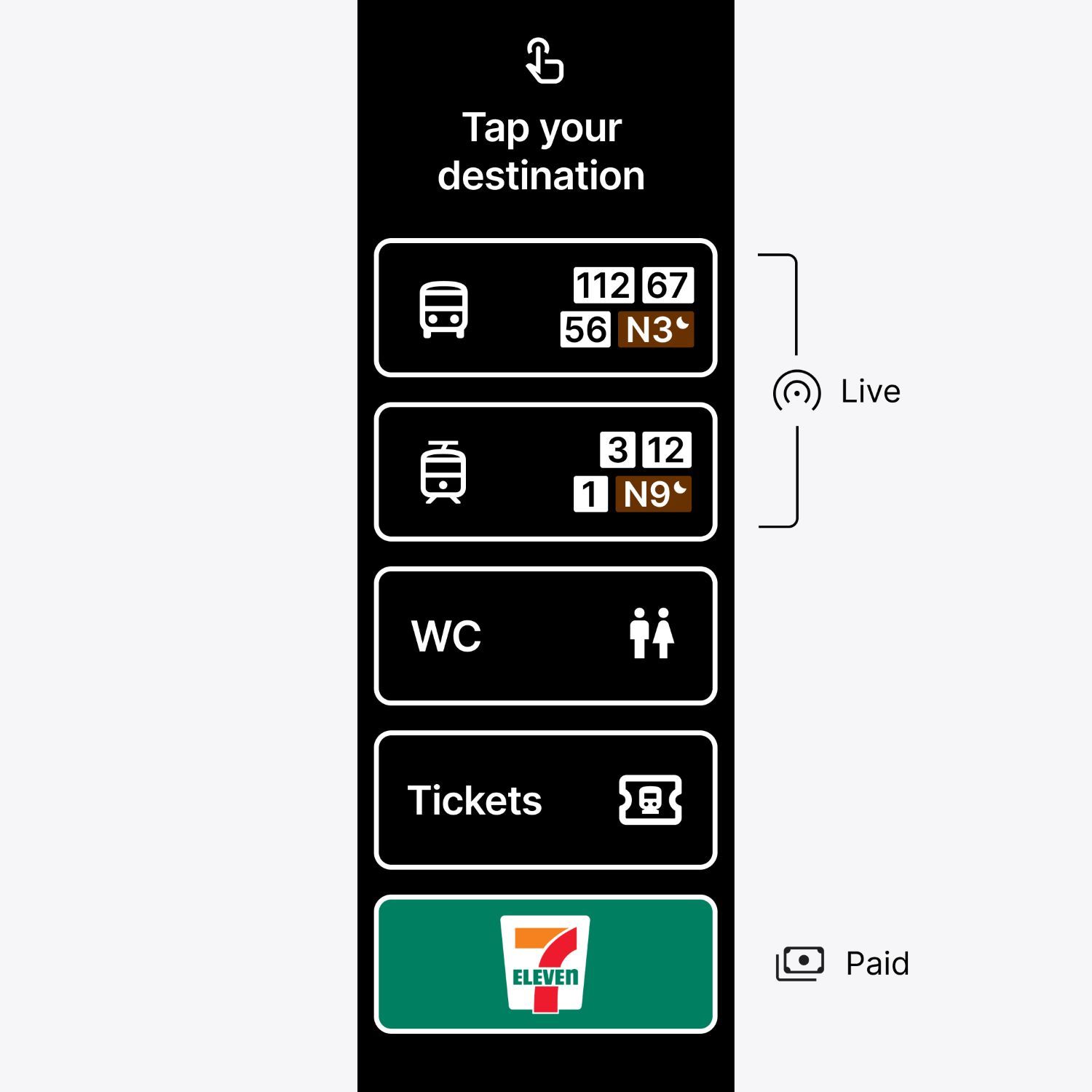
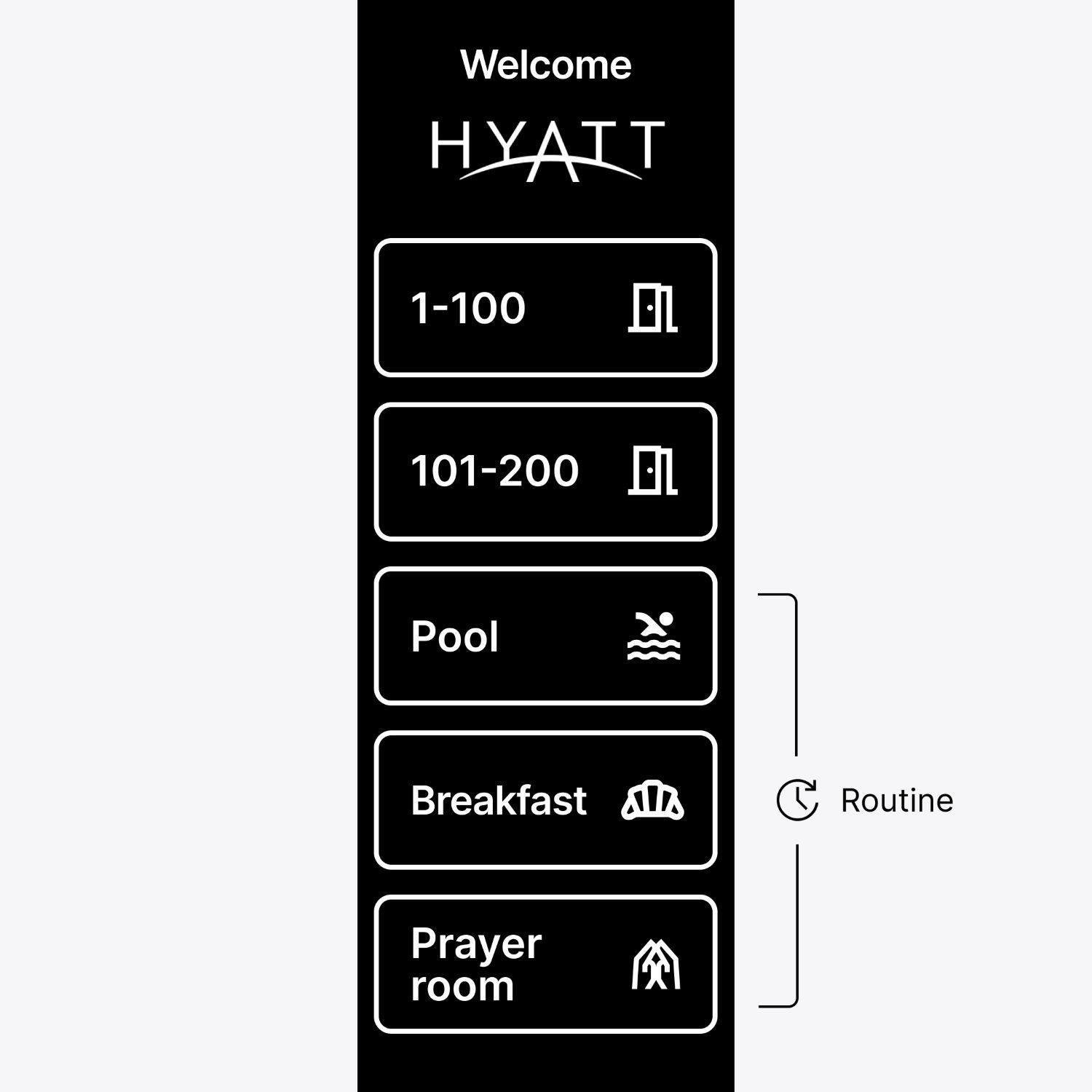
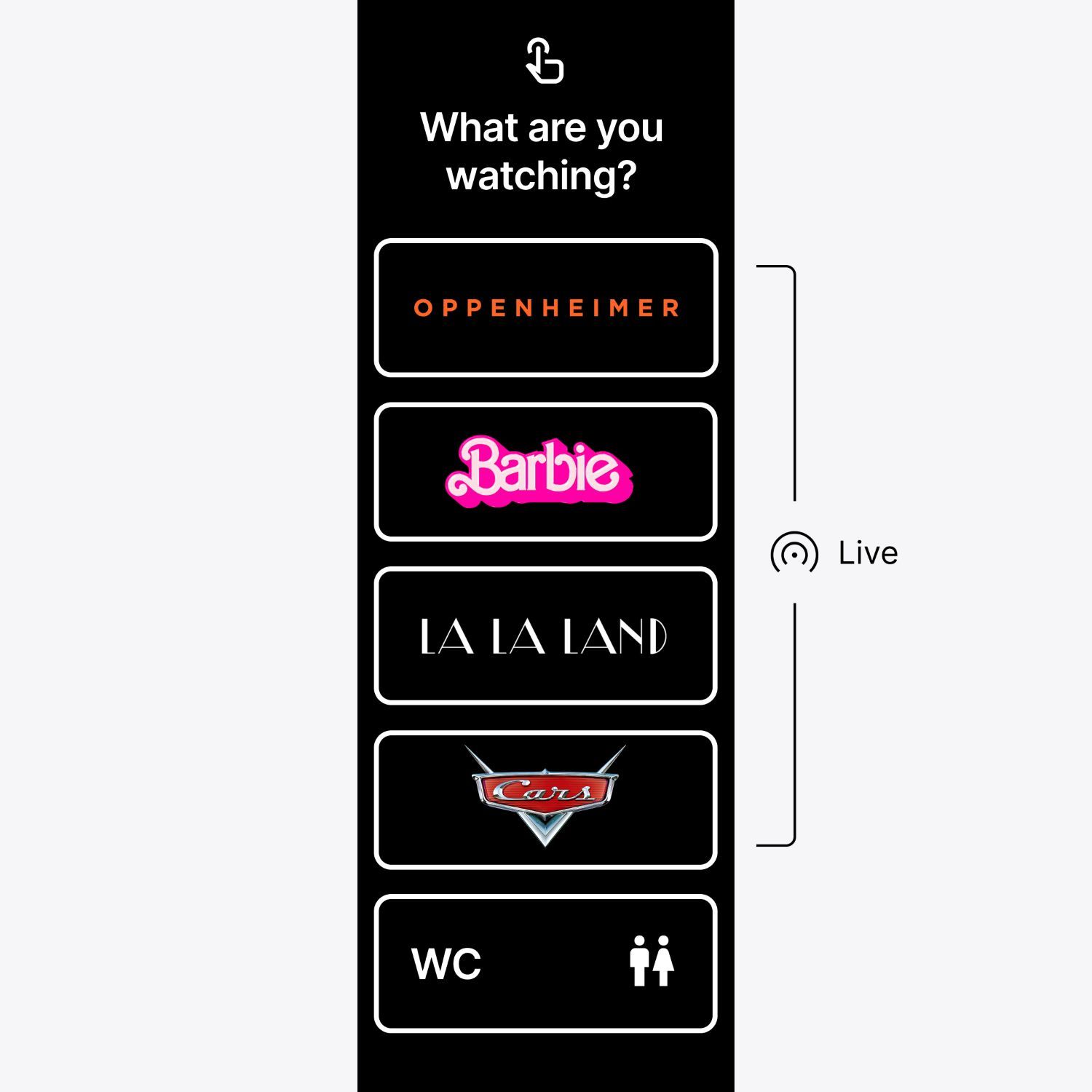
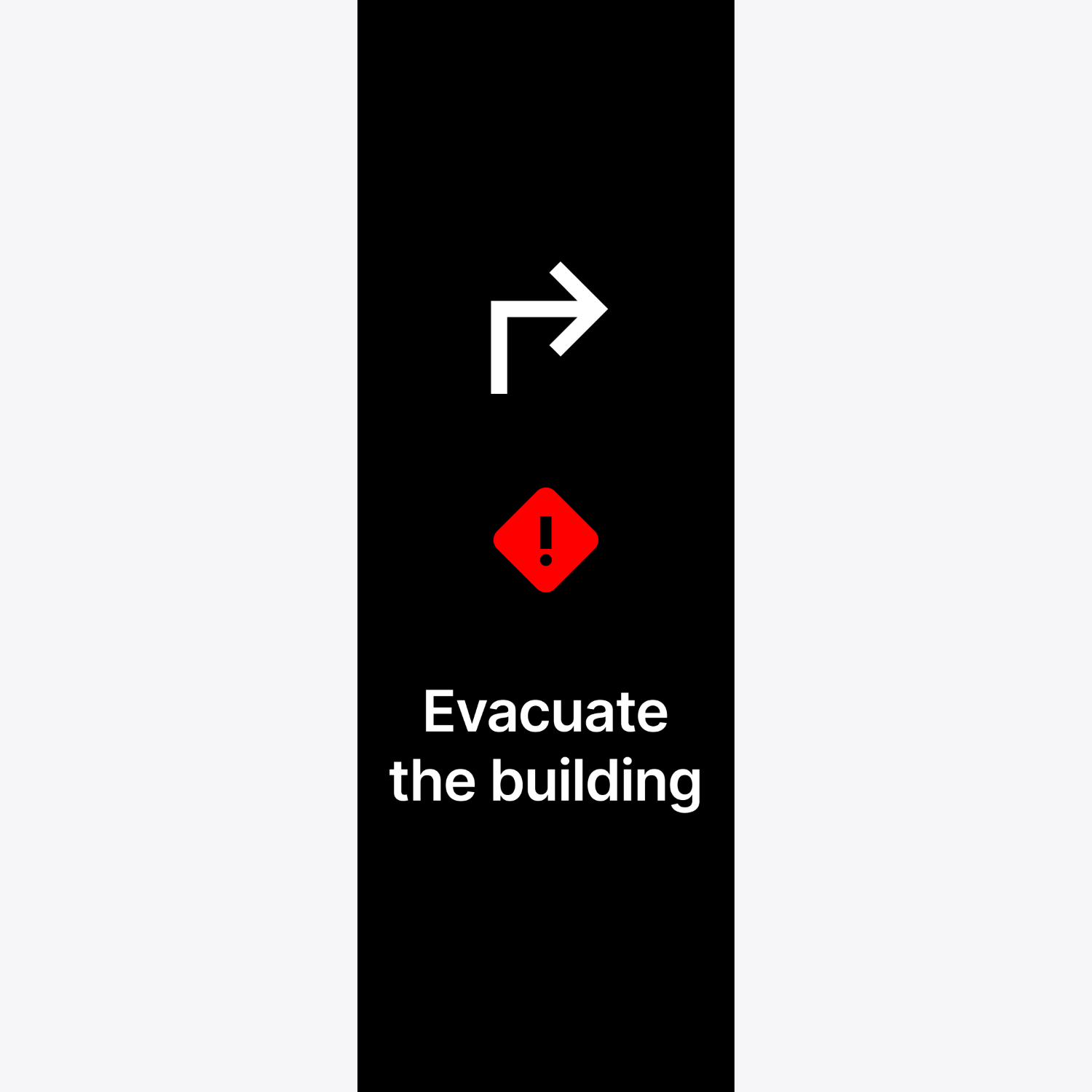
Dynamic routines
Guidance changes with the place and the hour.